NBC News: Amphipolis is the biggest puzzle in the world for the 2014


NBC News: Amphipolis is the biggest puzzle in the world for the 2014

The tumulus Kasta of Amphipolis is a major puzzle for the 2014 According to the NBC News.

The case of the excavation of Amphipolis and so far unanswered question of who is buried in the tomb of 2.300 years is located in the first position of the foreign network list.

The NB C presented the ten cases last year were scientists and either replied either came across old puzzles with new puzzles.

Follow matters such as search Ebola treatment, decryption of avian evolution through DNA analysis, the consequences of climate change, the drought in California and the polar cold of the East Coast, new letters in the alphabet of DNA, the secrets of the first native Americans, electricity from fusion, revelations of genetics for the Neanderthal, the Spinosayros walked and swam.

kontranews.gr

HOPLITES! Greeks at War – Full animation

Every student of history surely feels impressed by one achievement or another of the ancient Greeks, whether in the field of engineering, art, or the convergence of the two. Even a bored college undergrad in a thousand-seat lecture hall has to admire ancient Greek vases when they pop up in the lecturer's Powerpoint slides. That much-studied culture's penchant for stylizing images of their society on their pottery has allowed us to see their world as, in some sense, a living, breathing one — or to see it through the eyes of the artisans who lived to see it themselves. But for all their mastery of the art of the vase, they never actually got their images to live nor breathe. For that, we must turn to 21st-century technology, specifically as applied by Panoply, a project animator of Steve K. Simons and ancient Greece scholar Sonya Nevin, which was designed to bring these vases to life.

openculture.com

DERAS CHRYSOMALLO. REALITY OR MYTH;

As it known, the discovery of metals and the development of the metallurgy associated with early and Middle Bronze age. The development of techniques for the processing of metals, as was only natural passed into the realm of myth and attributed to the gods and goddesses of metallurgy. With the movement of the first Metalworkers in the Aegean, in order to find new sources of raw material and relevant markets are the late bronze age the two national campaigns, the Argonautic and Trojan, as well as the colonization of Cyprus and of Miletus. The mythological traditions of the expedition of the Argonauts in Colchis looks that have a historical nucleus of the Mycenaean trade expansion with the goal of handling metallurgical products and search for raw materials.

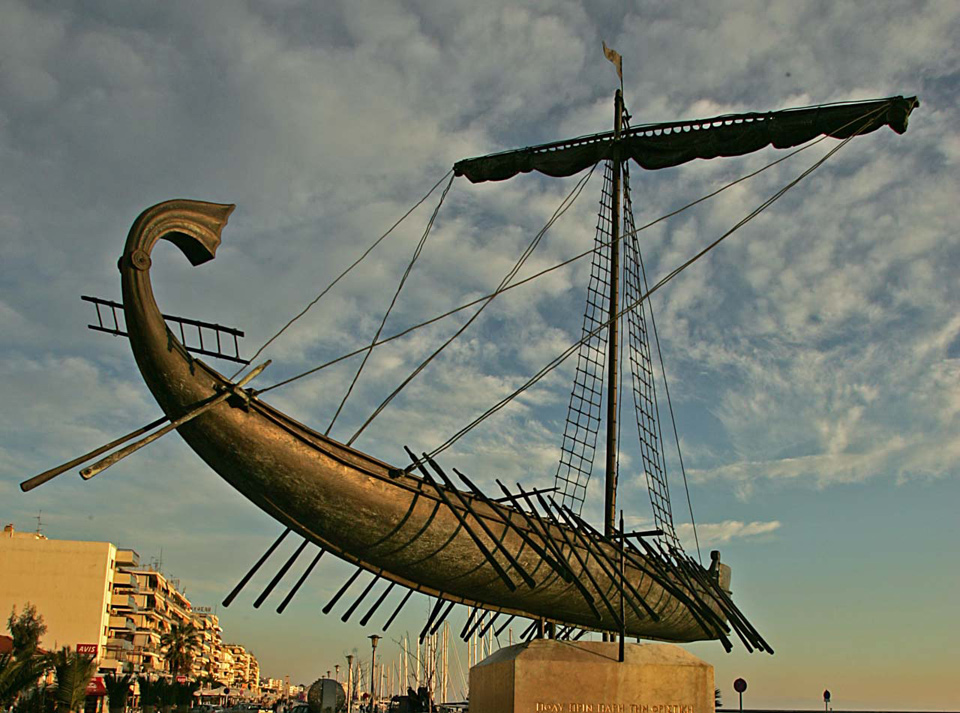
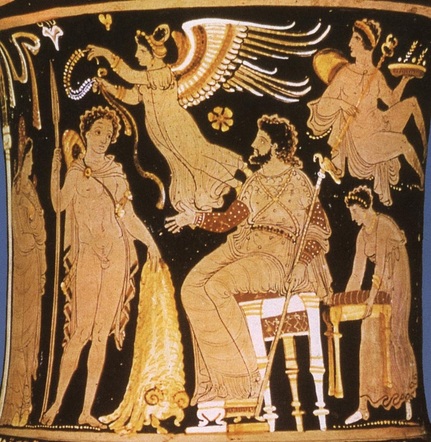
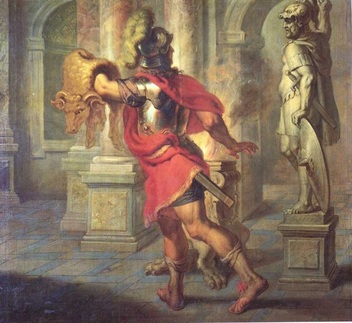
The argonautic expedition had as the dream that had seen the Pelias, the King of iolkos. Phrixus had appeared in his sleep urging him to bring back his soul and the Golden Fleece from Colchis in Iolkos. Pelias commissioned the difficult mission of repatriation of the Golden Fleece in his nephew, Jason. He accepted the challenge and commissioned the construction of the ship Argo of, of Slow. Athena has adjusted the ship's figurehead in a piece by the divination figo of Dodona, which warned with human voice for each hazard. The milestones of the Slow journey to Colchis was the Limnos, Samothraki, the "polychrysos and polychalkos" when Homer Troy, which occupied, and Cyzicus. In the Colchis King Aeëtes made Jason dangerous labors, before you give him the Golden Fleece. If someone was stealing, the King will lose his power and his life, According to an Oracle. His goal was to exterminate the Jason. But he managed to complete the trials with the help of his daughter Aiti, of Medea. So Jason escaped from Colchis stealing the Golden Fleece. The return of the Argonauts was adventurous. After diepleysan the river Istro, today's Danube, and they came out on the Illyrian coast, following the Rhone and the Eridanos, eventually culminated in Syrriniki sea through the country of the Celts. The milestones of the rest of the trip was the Isle Aithalia, opposite the Corsica, the garden of the Hesperides and Crete. Homer after Argonautic Campaign several of the sons of the Argonauts along with other Achaeans heroes, the counts to those who participated in the Trojan Expedition. Most areas related to the journey of the Argonauts as they inform us the ancient sources and archaeological research associated with the gold, the copper and iron and its treatment.

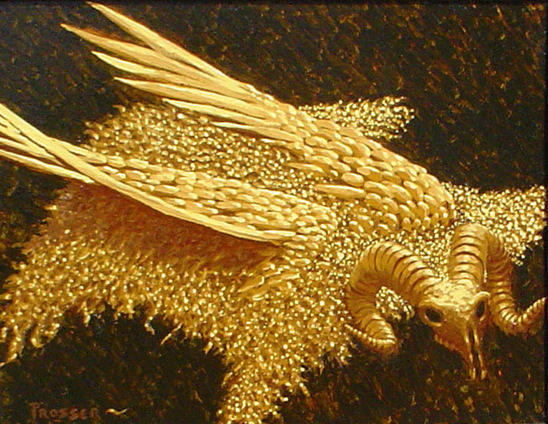
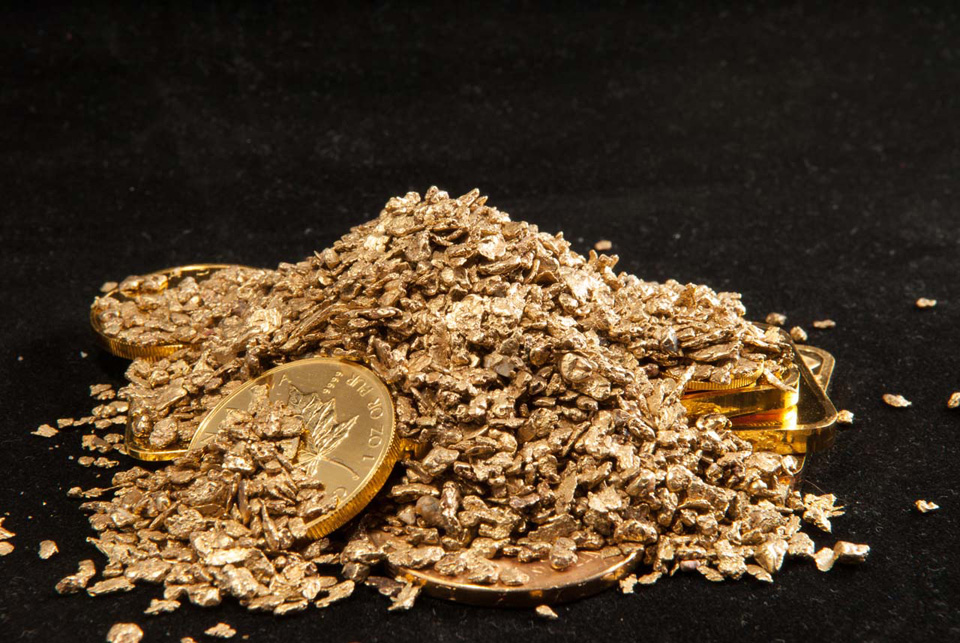
The Argonaytikos myth is full of covert references in metallurgy. The main of them is associated with the property of the Golden Fleece. In the region of Colchis was Yasis River, whose bed swept away gold granules. The oldest method for their apolipsi was the use of skin from sheep and goats pyknomallwn, that was placed in the riverbed. This method evolved later in kennel-Manger. Added a wooden gully lined with skins of certain animals. In both cases the heavy gold, in powder or granules, n. current by water was held by the dense fleece. From the intense glow of gold which had sedimented in the skin of the animal arose the mythical description of the Golden Fleece

ellinikoschrysos.gr

THE MYTH OF CHRYSOMALLOY DERATOS

Picture

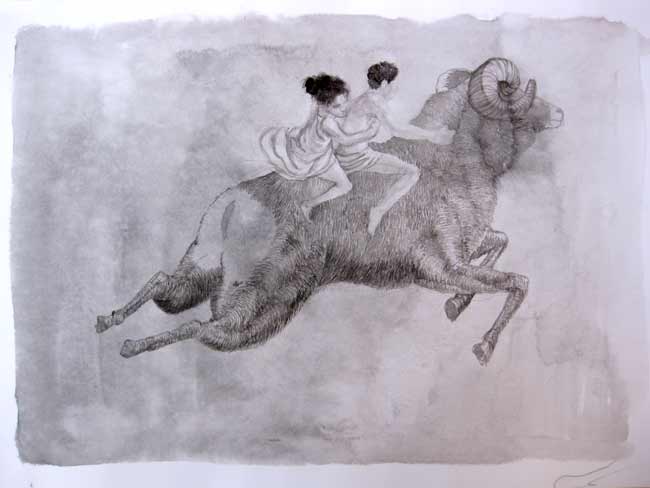
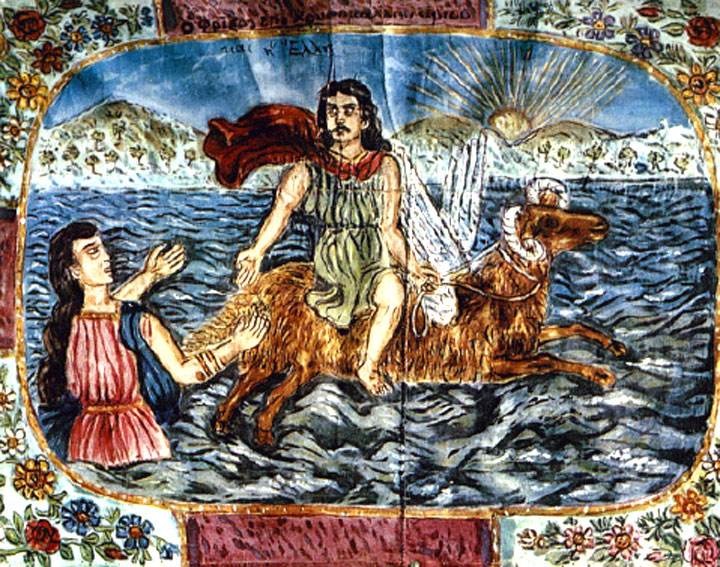
The Golden Fleece was the skin of a large golden Aries,that on’ This phrixus and Helle,children of the King of Orchomenus Athamanta survived re’ their stepmother bad,INO,He wanted to destroy them. the RAM passing over States,seas and rivers,brought them at sunrise. but in a narrow sea,Ellie looked down,was stunned,fell and so drowned. Since the close that took its name and is called the Hellespont.
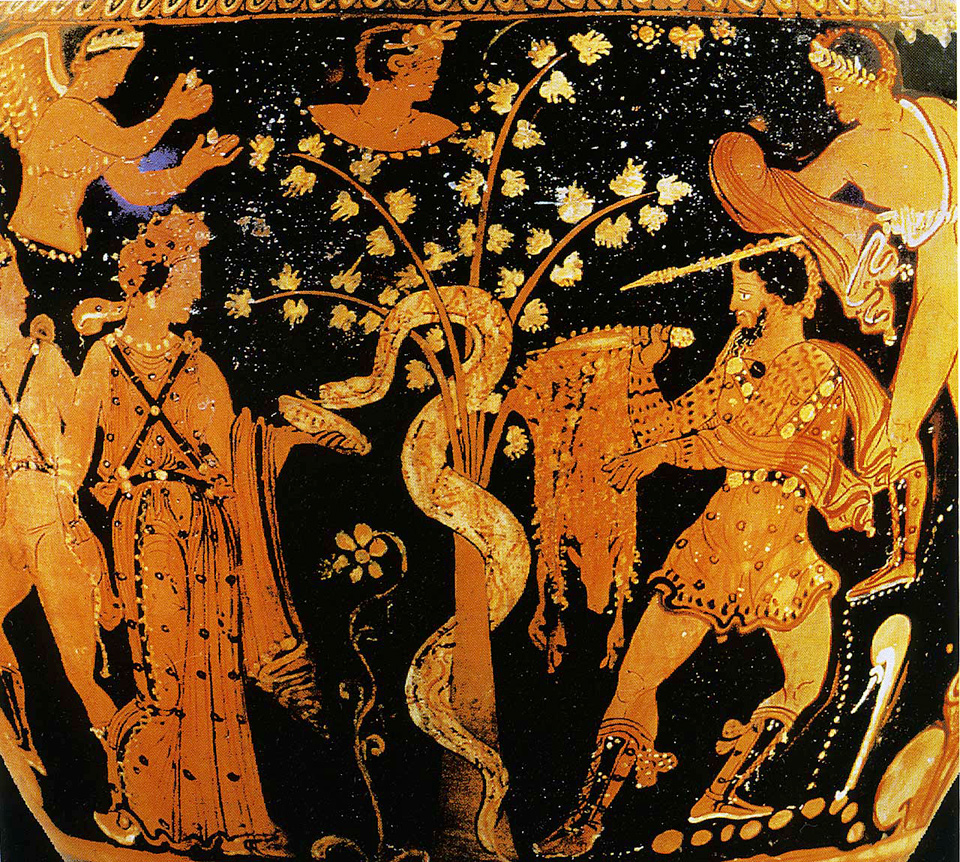
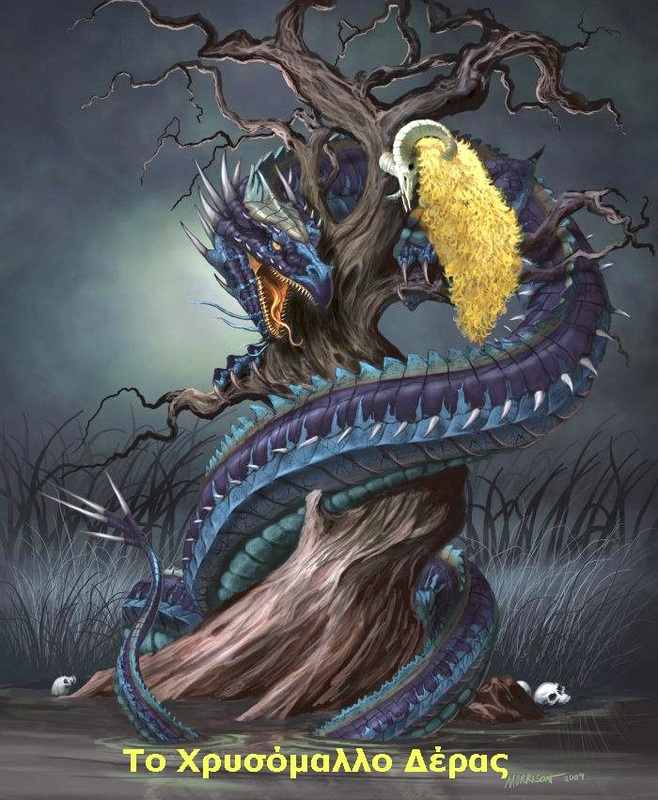
The RAM stopped in Colchis,where reigned King Aeëtes. phrixus to thank him for hosting that is offered,earned him the skin of castrated,that the King Hung in a tree and instructed in a sleepless dragon to watch.
What was the Golden Fleece and what relationship they had phrixus and Aeëtes with this;It was an original and strange story with much drama and emotional ups and downs,that the heroes are two children tormented by their mitrias of aponia.


Once the King of Boeotia Athamas married the goddess Nephele re’ had two children,the Elli and Frixo. But later abandoned the faithless wife Nephele and married Ino, daughter of Cadmus,a wayward and wicked woman. their stepmother close to children's life became unbearable. deep aversion to the show daily,basanizontas and oppress them with the most cruel and inhumane way.
The stone heart of sygkinoyntan not ever,nor by entreaty,Neither of those innocent children dakria. their presence believed was standing obstacle to her happiness for family’ It decided to pull out from the waist. Waited well the right opportunity,that didn't take long to come.
I once fell hunger (famine) in Boitwtia. that's because INO ordered secretly put into oven and bake all the cereal seeds that intended to sow that year. result was not sprout their crops. sent envoys Athamas in the Oracle of Delphi to ask what I had to do to avert evil. But INO their envoys dwrodwkise,paraggelnotnas to say that the Oracle instructed to sacrifice her children Nefeli.

The Satanic woman managed,eventually,to convince the Athama that,If the sacrifice,the hurt would stop and the gods will xanafernan in the country of the previous land and happiness taxman. and he,fool and eykolopistos,as it was,fell easily into the net of the pamponiris woman,the believed and accepted to sacrificed children. But Zeus,alert,watched the events in the Palace of father astorgoy,that was a aboylo game in the hands of his wife,While,ADA King who was,I had to have the courage and the will to govern wisely the people of.

The father of gods and men could not see blatant injustices against anymporwn beings,as those innocent children. so immediately Sent the real mother of children,Nephele,with the winged RAM that had pulled chrysomalli. the cruel stepmother was ready to choke kids,their mother grabbed,He put on the sacred RAM of Jupiter,they had human dialect,and spared. Thrown psila crossing the Aegean Sea.
As passed by the sea strait which connects the sea of Marmara to the Aegean,the kids love it,enjoying the beautiful landscapes that they saw from the prison suddenly found themselves in the human world,of torture in xegnoisia that always offers the motherly love and affection and by the injustice of people the jurisdiction of God. the RAM was flying there that this ithele'ixere the way. children left in’ This wonderful journey,without thinking anything,with open all their senses,in order to enjoy the pairing of lush wise flutes,of the blue sea and the Sun olochrysoy,that tremopaize as boytoyse from high in the akymanto mirror of the sea.
It is true that all human oria'echoyn and duration have. So and the joy of the gods didn't last much. because Ellie lost her balance at some point,fell overboard and left her last breath. the Sea some enjoyed it with passion,was the dank grave of. For’ This sea Strait,where fell Elli,He was named Hellespont,i.e. sea of Ellis. phrixus felt deep sorrow for the loss of his unlucky sister.
But who could go against goddesses Degrees that regulate and define all human;The girl's lifetime was predefined,as well as the conditions and the manner of his death will be spared from.’ her hands aponis mitrias,but would arrive at the end of her life in the deep waters of the sea, however.,the mortals people,There could easily be apochwristoyn their loved ones and could not get used to mercilessly blows of fate and phrixus.,in the katabatha of the soul,He felt a lot of frustration,endless loneliness. everything for’ This became meaningless. For a time passed from his mind the idea of letting himself fall and that in the deep waters of the sea,following the voyage to the underworld,in order to meet the beloved,but his sister over.
But the RAM that dawned on his thoughts and sensed his intentions,spoke with human dialect. the divine animal gave courage and courage in Frixo and optimism about life. the gods the arrange all told.”The gods the arrange all”, of said. “We all have a mission on Earth· This mission must fulfil“.So, continuing the journey Frixos, arrived in Colchis, in the distant land of Caucasus, where conquer the son of the Sun Aeëtes, brother of Pasiphaë (Queen of Crete) and the witch Circe. In that country the Aiti's rays awaken again and rest, in the unrelenting pursuit of day and night. The Aeëtes greeted him cordially Frixo and hosted. Later gave him his daughter Chalciope for woman. So say, Why had “Bronze face”. However, the RAM was intended re’ the authority sacrifice. For’ This the Frixos the offered to Jupiter Fyxio, He was patron of the escapees and the Golden Fleece (fleece) the father-in-law of handed in, to the watchmen. THE Aeëtes hung on an oak tree in the Temple of Mars and put on guardian of a dragon, huge snake, that always stayed alert and did not allow anyone to pass. He was able to lap a big ship along with its crew.

Deras Chrysomallo:Myth the’ truth;

Picture

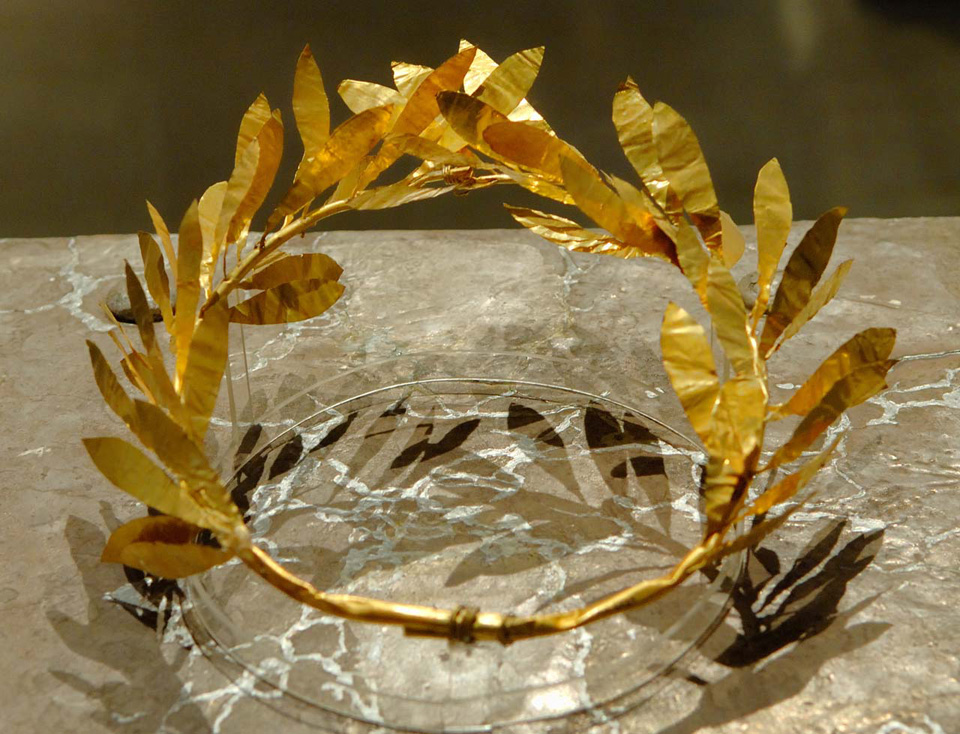
The Golden Fleece was not purely a figment of imagination of the ancient Greeks, but based on historical data! Can, i.e., to Peleus entrusted to Jason to bring the coveted Golden Fleece, a powerful symbol of power, But why such a public animal skin was considered so important;“The answer is easy, If you explored the way the gold yield of chrysofora rivers the bronze age. Especially the river rioni River in the area of Kolchidos (Georgia today) He was known for the quantities of gold nugget that was carrying.

Initially, the commitment of this precious metal was hides, mainly sheep, which the metalleytes dived into the river, where egklwbizontan and the nuggets of gold. Then baked it hides and tinazontan to collect gold or burned to enjoyed gold pellets.

With the passage of time and the evolution of the technical, the hides were placed at fixed wooden kennels in the riverbed” explained Marcus Baxebanopoylos, PhD student of geology at the Aristotle University of Thessaloniki, in a lecture he gave recently at the natural history Museum of Volos, with theme: “Ancient mines: From Pelion of Jason, Lavrio of Pisistratus”.

As stressed in his speech, remarkable in literary works for the argonautic expedition, but the Trojan war is that the financial centers of the era and the geostrategic points placed towards the Black Sea region. “And not unfairly”, explains, “as the events described are placed in time about the passage from the bronze age to the iron age”.

Recently, in the area of agriculture, the oldest studied areas with mining and metallurgy of iron- about 1400 e.g.. This shows that in the wider Black Sea area we have the passage from the metallurgy of copper, in the metallurgy of iron.

“So, not unfairly”, concludes, “Herodotus placed the breed of Steels, that processed iron, in that area”.

Centuries of knowledge on issues of mining and metallurgy lead firmly to the discovery of deliverability and the casting of iron. Probably, the travelers of that era carrying knowledge in Greece for the new metal. The new season will be marked by the most powerful, stronger impact resistance, Iron weapons.

As speculates, Besides, Mr. Baxebanopoylos, the so-called “Dorian invasion” has a relationship with the descent of knowledge on issues of mining and metallurgy.

“Let's not forget that the main driver of the economy and of individual functions of was the possession of metals and Placer areas” clarifies.

Ancient mines in Pelion

Jason, though, not started from an area, without knowledge of mining and metallurgy. The inhabitants of ancient Iolkos know gold and copper, as metals.

Pelion until recently was not known for the presence of useful minerals. “Yet”, reported by the PhD student, “from the region of Zagora through the village Kalamaki Peninsula have found over 30 metallofores areas with a strong mineral presence of iron, lead and copper”.

Indeed, the village Xourichti, discovered ancient underground mine with a total length of corridors over 100 measures, While the surrounding area, intense is the presence of surface holdings.

“We can therefore assume that the exhaustion of local metalloforiwn, There was the main reason for organizing campaigns in overseas areas. The search for new and rich copper and gold metalloforiwn, probably, was the main cause for dispatches, maybe even of individual conflicts” estimates.

Ancient Lavrio

Point station in Lavrio is history for Mr. Baxebanopoylo, the 546 e.g., When pisistratus returned from his exile.

By Pangeo and Thrace, where he had been banished, brings together experienced metalleytes of the mines of Pageos and the longer Skaptis Material and Lavrion shall be aware of particular acne.

Starts the opening Gallery daidalwdwn, associated with the surface in vertical wells. The 483 e.g.. I discovered a very rich metalloforia that will lead to the economic boom of Athens.

From the revenues of this discovery, Themistocles persuades the Athenians to bear when building 200 metal Triremes, they defeated the Persian fleet at the battle of Salamis.

“So, We understand that even the course of history depends on the evolution of mining activity, After this sets the pillars of the economy and in’ Policy extension” Adds, featuring the Lavrio as “the first industrial revolution before Christ”.

However, in General, big mining centers of antiquity considered Thassos, the opposite of Thassos area of Skaptis Material, the mountain Pangeo, Mount Hook, the Northeast Halkidiki, Sifnos and Milos.

In all these areas there are dozens of ancient underground ore mining galleries, which, though, have not thoroughly studied, resulting in a lack of fundamentals and the destruction of many galleries, concludes Mr Baxebanopoylos.

** The photos come from the archives of k.. Baxebanopoyloy and depict the exploration of ancient mining activity.

mythoitoukosmou

ΑΡΧΑΙΑ ΜΕΤΑΛΛΕΙΑ ΚΑΙ ΧΡΥΣΟΣ

PAGGAIO
ELLINIKOS XRYSOS PAGGAIO 01

According to Herodotus, the Thasioi, that as the 463 e.g.. they had their hands on trade of gold and silver pangeo, win 200 with 300 talanta time, from which 80 from Thassos, 80 by Skapti Material and the rest by Pangeo. Also according to Herodotus, pisistratus, in the 6th century BC., Thanks to the wealth acquired by the mining of Paggaio during his exile, recaptured power in Athens and fastened his power. Similarly, again in Herodotus, the tyrant of Miletus Istiaios acquired much of his riches – had indeed cut and gold coins- from the gold mines of Myrkinoy (near the Struma), which had granted Darius, as sovereign of the area at the time.

Aristotle in his work "On sounds ' thaymasiwn reported that the area was sands ' chrysitis», and chrysoforo soil ("undigested land, the gold ekballoysa»), whence with washers («chrysoplysia») were making gold , with small on costs.

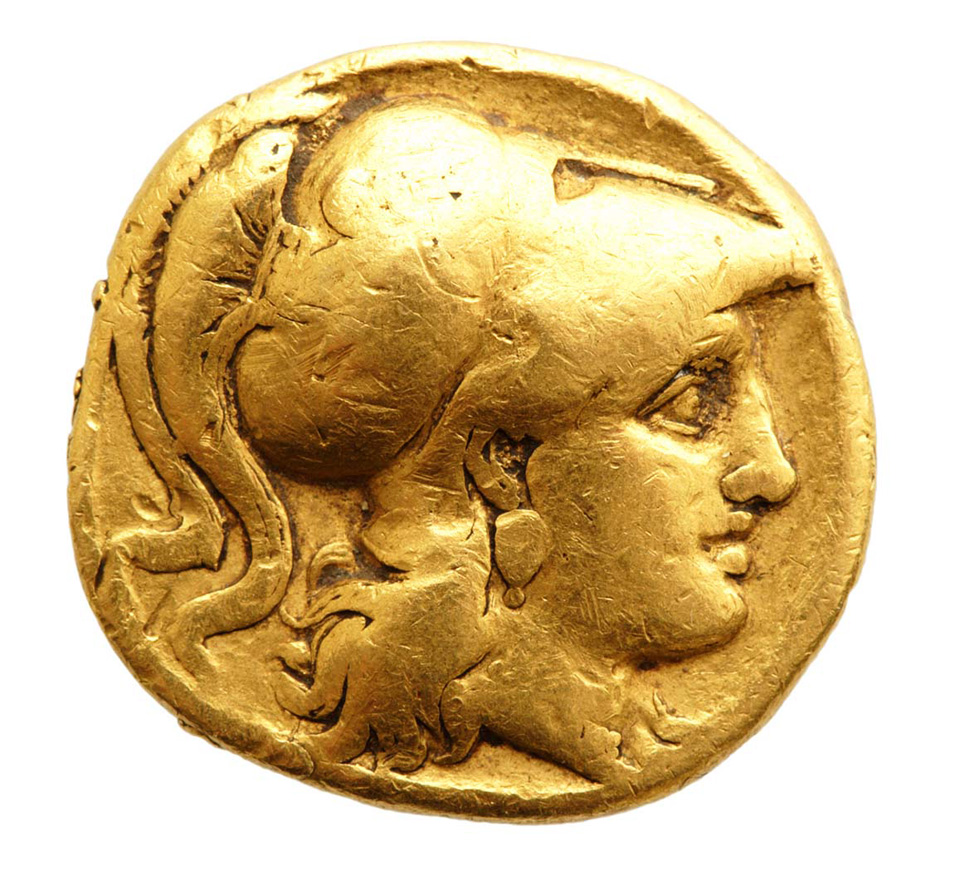
Philip II organized the mines pangeo in wondrous way. Making centre of mining activity the Krinides, they renamed to Philippi, He has enriched the region number of projects, mining and land reclamation, and discovered new mines, reaching, in Diodorus, the annual gold production in 1.000 talanta. Even improved the purity of gold at about two carats, which shows and corresponding improvements in methods and call-in halfway through metals from their minerals. The size of the wealth achieved by Philip from the Macedonian "chryseia" imprinted on "filippeioys", the Golden quintals that brought the head either of Apollo or of Hercules or Jupiter and on the other hand the scene of events. Adopted by the 352 until the 336 e.g.. and circulated to the 2nd century., not just in Macedonia, but in Rome (as Livy and Plautus), in Gaul. With this currency managed to compete with the "dareikoys" that were Golden quintals of cuts that brought initially show Royal Archer, which was later replaced by shows Leo and Taurus and enacted by Darius I. Also prevailed in the monetary war with silver Drachma of Athenian democracy.

The conquest of the Persian Empire from the m. Alexander brought in possession of immense riches in gold and other precious metals. Alexander the great in the Ekbatana 330 e.g.. and the 324 e.g.. found amythito treasure, as Arrian. When Justin the treasure he extended 180.000 talanta while Strabo the 190.000 talanta. These treasures were the mining of Pageos, and the rest of Greece, barely profitable or unprofitably, with the result that their exploitation decline seen. Interest therein peaked anew over Philip v (221 – 179 e.g.), for whom Livy writes that not only made sure to xanaleitoyrgisoyn the old mines, but opened and new to multiple locations. Their continued exploitation and on the last King of Macedon Perseus, to reach then into obscurity.

SKAPTI MATTER

According to what has been recorded by Herodotus and Thucydides, the most important factor in which had the wealth and development of Thassos during the era of antiquity, It was the island's mines and of the «antiperas» of Thrace. The last was known in antiquity as ' Skapti material "and were renowned for the amounts of gold from the mines of. Skapti Material connected with the historian Thucydides, to which attribute the ' mining ' acquisition of chryseiwn, in which the historian took refuge after his sentencing in Athens for the failed Strategia of the 422 e.g.. during the Peloponnesian War. He did not mention the place where experienced his exile, but subsequent literary sources mention his marriage to woman by Skapti Material and there say that co-authored the story of: "under platanw and diatribwn».

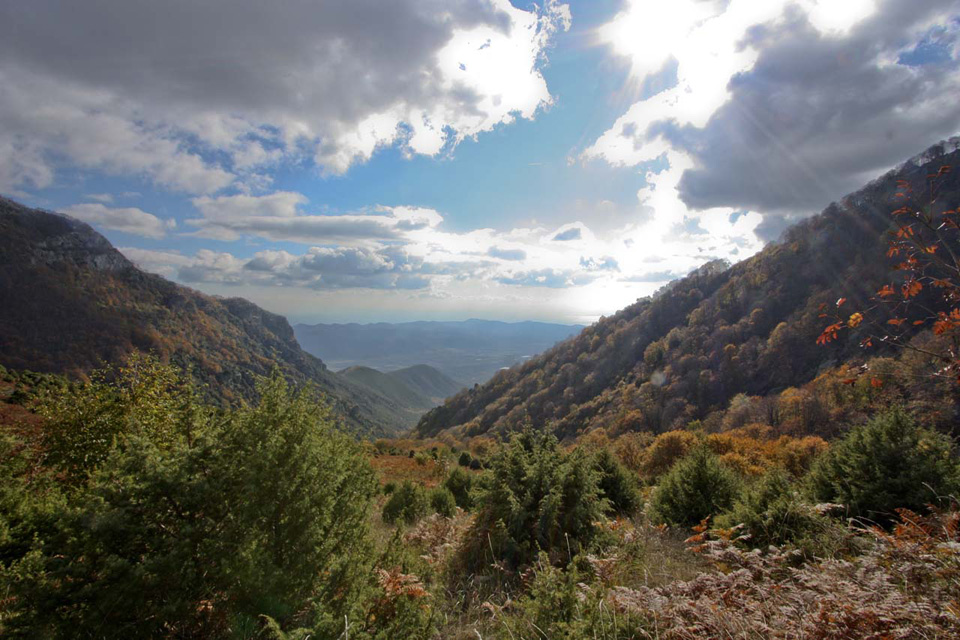
The archaeological survey has not yet been identified with absolute certainty the location of the famous Skaptis Material. Some argue that the mines are located in mountain Paggaio. In accordance with newer systemic investigations, Herodotus reports must connect with the area north and East of the city of Kavala where identified, a large number of occurrences and silvered gold-bearing ore. This view is in agreement with newer archeological investigations in accordance with which the Thassian Peraía limited in term Symbol and in the southern part of the Basin. The mountains of the North and East of the ancient Neapolis show ore deposits. Testimonials of intense mining activity are numerous underground and surface work, the huge piles of hardware and ekkamineysewn exorygmenoy, between the villages of Krinides, Libra- Krionérion, Almond, Palaia Kavala and Chalkero until Perni. on a surface of approximately 100 square. km. identified above 150 ore occurrences which exploited in antiquity, the Roman and Ottoman era and the 20th century. The holding in this area during antiquity it was oriented in extraction of rich gold and silver ore.

The "annuity" from the mines of Skaptis Material were, According to Herodotus, in 80 talanta (1 talent = 26,2 kg approx. equivalent of silver). This would correspond according to our calculations in about 180 pounds of gold today. These quantities are justified by the abundance and size of some of the mines of the region, the length of which reaches 350 measures and the size of body drilled Placer have dimensions up to 60Ch30Ch5 meters. How important mining centre was the site of this us denotes except Herodotus and Thucydides and Strabo who mentions features: "there are a lot of gold mining in Krinides where today is located the town of Philippi, near Paggaio mountain '. Diodorus Siculus also informs us that "following Philip Ii came to the city Krinides which increased in population and renamed in Philippi and gold mines were there some smart Roadsters leaked and created new sparingly so that revenue can have over a thousand talents".

According to Professor Michael Babelidita the minerals of the area the old Kavala is connected with the lower part of the series of marble and partly with the upper part of the minerals series. We distinguish three types of body Placer, which they exploited in antiquity. The first type are sidiromagganioycha minerals in carbonate rocks with gold contents up 26 ppm. The second type of forming sidiromagganioycha ores rich in lead, zinc and silver, also detected within carbonate rocks, with silver contents up 2500 ppm. The third type refers to quartz radiators pyrite and arsenopyrite-rich as well as in pyrite-chalcopyrite bodies epimikysmena, in gneiss and marble-contact in gneiss, with gold contents up 38 ppm.

The dating of the mining activity in proschwmatika deposits is very difficult, often impossible because traces of such deposits are destroyed and lost very easily. All that's left are piles of leaching residues. A great piece to have in addition to nature and human impacts, particularly during the last decades.

Unlike the proschwmatika deposits of traces of ancient mining activity remained until today in very good condition especially in underground workings. Based on geometrical features extraction and gating technique, as well as the archeological findings and the use of radiocarbon C14 and thermofwtaygias methods, distinguish in the mines so far ereynithenta If. Macedonia more operating phases. The greatest interest is that of the classical period.

The ancient lodges have mainly characteristic (Classic) trapezoidal form. Also frequent are the rectangular intersection as observed in the mines of Philippi, of Skaptis Material and Acropolis Thassos. The dimensions of the galleries have usually 80 cm width and height on average 90 cm. Similar incisions m’ These lodges were observed in Wells, the operation of which serve the promotion of the ore and the (atmospheric) working conditions in the mine (ventilation etc). For the construction of tunnels and wells used in classical antiquity mainly two ways to access, who is especially known from Lavrion. The vertical and horizontal. A third method which is used for access and for the exploitation of the ore was putting pyrras when the rock was very hard.

The gold-bearing ore mining method was done in antiquity mainly with the method of repayments. Unlike the modern method of exploitation of the ancients when accessing followed the body metalloforo. With the mining of the ore were often extensive irregular spaces, the so-called payoffs as well a gallery system labyrinthwdes. The tools used by the ancients for the extraction and access was mainly the chisel and hammer. In some cases observed and traces axinas. For soft material and were probably using backhoes.

Ordinary phenomenon was when the metalloforo layer was inclined, the holding shall be done at more than one level. In places from upper to lower levels or at the entrance to smileyotan stairway. To support the roof the ancients leave security pillars or walls made by stringing/wiring. The temple consisted of the rock that housed the ore. For construction of walls ypostylwseis used mostly sterile material through the mine.

As regards the concerns in lighting, This was done with torches but with household oil lamps made of clay or pencil. Digging pits for lights on the wall inside the rock or constructed posts from clay.

One important observation in ancient mining areas, is that out of the gold mines are usually very little and generally small heaps hardware exorygmenoy, Although mining in the mine areas are often major proportions. This is mainly due to the fact that the crushing and separation of hardware and exorygmenoy many times the enrichment of ore were inside the mine. The sterile material used in the construction of ypostylwseis concrete walls but also to meet and to close their premises thoroughly used most. In this way avoiding the difficult task of sterile material transportation and become parallel, We would say today, the restoration of the environment

Call-in method was with the crumbs of gold known leaching method with skafidi. Casting of heavy fraction followed where it was necessary. Often become spot copper in molten addition. For iron ore followed the ancient the same method after crushing and milling of the ore, While there are some signs of polymetallika minerals e.g. litharge that was probably using the method of kypellwsis.

.ellinikoschrysos.gr

The Seven Wonders of the Ancient World

1
Great Pyramid of Giza

Great Pyramid of Giza

Hedwig Storch
Hedwig Storch
The oldest of the Seven Wonders of the Ancient World, and the only one that survives to the present day, this is one of three pyramids at the Giza Necropolis in Egypt.
2
Hanging Gardens of Babylon

Hanging Gardens of Babylon

Legend has it that the King Nebuchadnezzar II built this palace around the 6th century BC, in present-day Iraq. One Greek writer described it: “The foundations of its turrets are sunk thirty feet into the ground and the fortifications rise eighty feet above it at the highest point. On its summit are the hanging gardens, a wonder celebrated by the fables of the Greeks. They are as high as the top of the walls and owe their charm to the shade of many tall trees. The columns supporting the whole edifice are built of rock, and on top of them is a flat surface of squared stones strong enough to bear the deep layer of earth placed upon it and the water used for irrigating it.”
3
Temple of Artemis at Ephesus

Temple of Artemis at Ephesus

A Greek temple dedicated to the goddess Artemis, this was built and destroyed three times. In the 19th century archaeologists found remains of the temple in western Turkey.
4
Statue of Zeus at Olympia

Statue of Zeus at Olympia

Standng 43 feet tall, this statute of Zeus on his throne was made by the Greek sculptor Phidias around 435 BC at the sanctuary of Olympia. It was probably destroyed sometime around the 5th century AD.
5
Mausoleum at Halicarnassus

Mausoleum at Halicarnassus

Built between 353 and 350 BC in present-day Turkey, this building stood 148 feet tall and was the tomb for Mausolus, ruler of Caria, and his wife. A series of earthquakes during the Middle Ages has left it in ruins.
6
Colossus of Rhodes

Colossus of Rhodes

It took 12 years for Chares of Lindos to build this statue of the Greek god Helios. It stood over 98 feet high. However, the statue only lasted from 280 BC to 226 BC, after which an earthquake broke it at the knees.
7
Lighthouse of Alexandria

Lighthouse of Alexandria

This mosaic is one of the few contemporary images we have the Lighthouse, which was built in the 3rd century BC. Standing over 330 feet high, this building continue to be used until the 12th century AD. However a series of earthquakes destroyed the lighthouse by the 14th century.

Ancient excavation and backfill the artificial new "hot" point of Amphipolis

"X-ray" in geophysics and where lies the interest of researchers
Ancient excavation and backfill the artificial new "hot" point of Amphipolis
Archaeological research in the funerary complex of hillside Kasta Amphipolis (screenshot of marble pedestal by the revelation on which pull the Caryatids). Traces of human presence may lead the research elsewhere in the Tomb
Beside the fourth space funerary monument was Kasta, like all shows, a key point of interest for archaeologists.
The geophysics and geological mapping of the Hill Kasta in Amphipolis officially confirmed that there is evidence for the existence and other structures beyond the funerary monument that has been excavated. As is pointed out in the official announcement of the Ministry of culture, matching points "in need of excavation investigation».
From a first approximation of the elements that emerged from the Geophysics, It seems, inter alia, that a little farther (in the Northeast) by the end of the excavation of the fourth site is ancient funerary monument excavation and artificial backfill. Although it is not clear to what depth extends the excavation, It is obvious that it is a "hot" point of archaeological interest, However, something that will appreciate the excavators and will reveal the archaeological hoe.
Special importance seems to have been, on the basis of the items that were made public, that means in the "Kasta Hill point of interest" lies in the northeast of the dome funerary monument (schematically a little further East from the end of the excavation in fourth place). There is no indication for manmade structure, as the point is located within artificial trench and not to natural formation of the Hill. And unlike other places in the northern part of the monument's dome, where, Although recorded anomalies with high resistance values, not evaluated because it is within the natural formations.
It is also indicative of how "crashed" the first impression that was formatted for another case North of the dome when experts investigated further the point where matching antistatic structures. The removal of soils revealed that the ypedafia structure that was pictured with electrical scans were sand lens, i.e. natural formation.
It is worth pointing out in the process of geophysical prospecting that the electric current is inserted in the ground and mapped the distribution of resistivity, which shows differences when "meets" anthropogenic structures.
Of the four "points of interest", as recorded by the research team, to the North of the dome of the funerary monument, the "point 4", as portrayed in the image presented by the MINISTRY of CULTURE, clearly lies within the ancient backfill has become artificially in Kasta Hill…
However, It is particularly important that the research team, headed by Professor k. Gregory Tsoka, Director of the laboratory of applied Geophysics AUTH, focused on building model of the era, as they were before the intervention for the erection of the dome. Recent apochwmatwseis and earlier pit, as noted in the notice of the Ministry of culture, space observation was offered "tangible and undeniable proof of the position and characteristics of the geological formations». In other words it has been possible to investigate what part of the mound is a natural Hill and what is artificial backfill.
The investigation confirmed, as highlighted by the scientific team, that the greater part of the Hill is a natural Kasta, While the anthropogenic Earth constitutes a relatively small portion
tovima.gr

Clues to Amphipolis tomb's mysterious occupant slowly surface

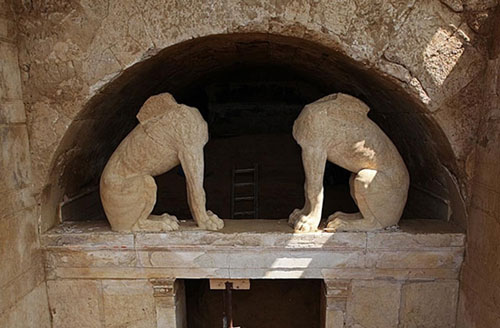
Mysterious monumnet ... The sphynxes which guard the entrance to the Amphipolis tomb. Sou

Mysterious monument … The sphinxes which guard the entrance to the Amphipolis tomb. Source: Greek Ministry of Culture Source: Supplied

BOLD sphinxes. Enticing nymphs. A menacing rape-scene mosaic. While these finds have amazed, they're yet to inform. But the evidence is mounting, and we may soon know who lies beneath the mysterious Amphipolis mound.

It may be Greece greatest ancient monument: A 2300-year-old, 590m diameter burial mound containing a mysterious mix of structures.

Excavations since August have exposed a myriad of artistic wonders.

Delicately crafted, scantily clad female-formed columns. Piercing eyed, female-headed sphinxes.

Most prominent is a masterful mosaic depicting a supernatural rape scene.

3D RECONSTRUCTION: See the walk-through of the tomb at the bottom of this story

But it is a scattering of bones and a few faded paintings which now have archaeologists excited. These may contain the final clue as to the identity of the tomb's occupant — a person who may have direct ties to the legendary Alexander the Great.

It is the idea that the mound is linked in some way to Greece greatest hero — Alexander the Great — which has the nation on the edge of its collective seat. The national hero still inspires great pride and passion, and the pressure on the archaeologists to produce results is immense.

Explore Amphipolis

But the amazing artwork has itself inspired detractors: It's so advanced that some have cast doubt that it really dates from the era of legendary general death in 325BC. Instead they insist it must belong to one of his successors, or may even be a Roman monument attempting to tie their own achievements to that of the legendary general.

Now the evidence is mounting against the detractors. Coins showing the great General have been recovered in the tomb, and heavily faded artwork appear to show scenes reminiscent of Mycenaean fertility cults.

As the penetrating eye of science is turned on the faded images and decayed bones, much of Greece holds its breath: Is this the tomb of Alexander's mother, Olympia?

The answer, whatever it may be, will no doubt become one of archaeology's greatest discoveries of 2015.

Amphipolis

Ancient memorial … An artists rendition of one proposed reconstruction of the Amphipolis mound. Source: Greek Ministry of Culture Source: Supplied

The geophysical map of Amphipolis.

The geophysical map of Amphipolis. Source: Supplied

WHAT LIES BENEATH

IT was touted as the biggest, most significant archaeological find in decades: Six months later, what have we learned from excavations at the massive Amphipolis complex?

The first three rooms have been exposed, but we still don't know whom the tomb was built for, or even if it was a tomb: It could have been a memorial.

But a new scan of the Amphipolis mound, known as Kasta Hill, indicates the massive ancient monument may contain much more.

The Greek Ministry of Culture yesterday released the results of a geophysical (ground-piercing radar and electrical) survey. The extensive study, which began on November 11, is still undergoing computer processing.

The 1999 seizmic survey of Amphipolis.

The 1999 seismic survey of Amphipolis. Source: Supplied

So far, four areas of "especially high electrical resistance" have been identified, indicating the possible presence of further structures beneath.

These new "hot spots" have been identified as priority sites for anticipated new excavation efforts in the next Northern Hemisphere summer.

The geophysical survey results follow a 1999 seismic tomography study of the mound — essentially measuring the distortions of sound passing through the earth to build up a subterranean map. This study, abandoned due to lack of funds, also suggests there may be a series of structures underneath the soil and rubble.

If confirmed, such structures will resolve what archaeologists have been suspecting since this years dig began: That this remote hill is in fact a complex set of separate constructions — not just an enormous earth-covered mound for a single burial chamber.

The already excavated tomb is also scheduled to undergo further geophysical scanning, the ministry states, in order to discover any further concealed secrets.

Amphipolis

Awe-inspiring … A digital reconstruction of the entrance to the Amphipolis tomb. Source: Supplied Source: Supplied

Ancient riddle ... A reconstruction of one of the guardian sphinxes. Source: Greek Minist

Ancient riddle … A reconstruction of one of the guardian sphinxes. Source: Greek Ministry of Culture Source: Supplied

An impression of the plan to engrave Alexander the Great on to a mountain. Source: Suppli

An impression of the plan to engrave Alexander the Great on to a mountain. Source: Supplied Source: Supplied

ANCIENT WORK OF GENIUS?

The Greek archaeologists examining the Amphipolis tomb complex have expressed their belief that it may have been the work of a single architect.

One candidate for the enormously ambitious project is Alexander's personal architect, Deinocrates (which translates to Master of Marvels). The Greek Reporter argues he had the vision, having already proposed sculpting the whole of Mount Athos into the reclining form of the great general.

The only complication is that Deinocrates primarily worked in Egypt, on the construction of the city of Alexandria. But links have been drawn between the distinct edging of stonework found in both locations, as well as similarities in the local ancient road plan, to support the theory.

Likewise, the imposing mosaic of the second chamber also has declared astoundingly intricate and detailed for the era. Despite missing a large circular section at its centre (archaeologists say many of the fragments have been recovered), it is clearly the work of a master artist.

The fresco depicting the abduction of the goddess Persephone by Pluto, god of Hades, foun

The fresco depicting the abduction of the goddess Persephone by Pluto, god of Hades, found on the floor of the Amphipolis tomb. Source: Greek Ministry of Culture Source: Supplied

A painting showing two dancers and a bull from the tomb's third chamber. Source: Greek Mi

A painting showing two dancers and a bull from the tomb's third chamber. Source: Greek Ministry of Culture Source: Supplied

Then there are the faded paintings found on the architraves of the third chamber.Pictures released earlier this month appear to show a man and a woman, wearing red belts or sashes on golden loincloths, dancing among bulls. Another image shows a winged goddess standing between an urn and a brazier. The chamber's ceilings were covered with rosettes.

According to The Greek Reporter, this imagery has been linked to another royal sanctuary of the era — in Macedon. The Sanctuary of the Great Gods on Samothrace was an island complex associated with bull sacrifice and heavily adorned with stone rosettes. Also found there was the famous statue of Nike — the winged goddess of victory.

It was also a cult strongly associated with Alexander's mother and father.

Amphipolis

Eternal gaze … Archaeologists work on preserving one of the two Caryatids — female goddess columns — in the tomb's second chamber. Source: Greek Ministry of Culture Source: Supplied

BONE WHISPERERS

Amid the most significant find announced during the excavation was that of a scattered skeleton and fragments of a wooden coffin decorated with bone and glass in the third chamber.

"The bones were found inside and outside the burial pit,"a Greek government official told reporters in November. "The skull was quite some distance away from the pit, the lower jaw was just outside the pit and the largest part of the skeleton was inside the pit. A close look shows that the legs and arms are almost intact, rib bones and parts of the spine as well as the pelvic bones are in fragmentary condition, therefore it is impossible for archaeologists to say if they belong to a man or a woman. "

Despite the supporting assertion by chief archaeologist Katerina Peristeri that she has no idea as to the identity of the skeleton, speculation is running rampant.

The stone coffin, left, and an artistic reconstruction of the third chamber. Source: Gree

The stone coffin, left, and an artistic reconstruction of the third chamber. Source: Greek Ministry of Culture Source: Supplied

The remains, said to be still covered in earth to ensure their preservation, have yet to be reassembled to a suitable state for the identification of key gender features.

The Greek government again last week sought to dispel rumours that the bones had already been identified as belonging to a 54-year-old woman. Such details would place the tomb squarely in the domain of Alexander the Great's mother, Olympias.

MOTHER OF A LIVING GOD? The Amphipolis mosaic explained

The outline of the Goddess Nike can be seen in one of the tomb's paintings.

The outline of the Goddess Nike can be seen in one of the tomb's paintings. Source: Supplied

Speculation surrounds the fact that the skeleton's pelvic region appears to have been particularly heavily fractured. Olympias was stoned to death at the order of usurper General Cassandros in 316BC "The study of skeletal material, found in the fourth place of the burial monument on the Casta hill, is commissioned to a team of scientists from the Aristotle and Democritus Universities... The analysis of this material is part of a broader research program, which includes the holistic approach of a sample of about three hundred skeletons, coming from the area of Amphipolis and chronologically cover the period from 1000 B.C. to 200 B.C"

"The results — such as sex, age, stature — the macroscopic study of skeletal material from the fourth place of the burial complex, will be announced in January,"the statement reads.

Chief excavator Peristeri has a much more pragmatic point of view: She states that the lion statue which once sat atop the mound was male and that the wall encompassing its base was once covered in engraved shields. This indicates the mound was made for one of Alexanders ' generals, she says.

Others point to a legend recorded by the Greek historian Plutarch which states King Philip, Alexander’s father, dreamt he had put a seal of a lion upon Olympias's womb. This was interpreted by soothsayers as predicting she would bear a bold and lion-like son.

Placing a statue of a lion above a pregnant belly-shaped burial mound fits this imagery.

But the answer may be amid the remains of the burial chamber itself.

Unreadable traces of inscriptions have been found on the columns and marble plates about the stone tomb in the third chamber. These will undergo ultraviolet analysis in an effort to trace their outline, and hopefully a name. The process is scheduled to start early next year.

Amphipolis

Alexander the Great, Conqueror of the known world, is shown in this Roman floor mosaic, believed to be a copy of a 3rd Century painting. Source: Supplied

AGE OF EMPIRES

Alexander the Great swept through Europe and Asia on a conquest like no other seen before his time. Nothing could stop him — except possibly poison, or more probably a terminal about of typhoid fever.

His untimely death meant wrack and ruin for his fledgling empire. His generals immediately set about carving out pieces for themselves.

The body of the great general is said to have been preserved in a vat of honey before setting out for his homeland, Macedonia. It would be diverted several times before finding its final resting place, somewhere near the city erected in Egypt in his name — Alexandria.

The location of his tomb has since been lost to history.

Left struggling to hold the strands of empire together was his mother, Olympias. A devoted follower of religious mysteries, she had been divorced by Alexander's father — King Philip II after a 20 year marriage. She, and Alexander, had been restored to power after his murder.

But the queen frequently clashed with the trusted adviser Alexander left behind as his regent for Macedonia: General Antipater.

On Alexander's death, Antipater's son — Cassander — wanted the crown.

Olympia asserted her authority as the regent for Alexanders young son. She then sought to strengthen her hold on power by marrying Alexander's sister, Cleopatra, to a succession of generals opposed to Cassander.

An attack on Cassander's corner of Macedonia at first appeared successful with the rout of his army. But a surprise counter-attack toppled Olympia from the throne and Cassander arranged to have her murdered. Alexander's wife and son, Roxana and Alexander IV, were imprisoned at Amphipolis where they were later executed.

Amphipolis

Explore for yourself … The 3D walk-through of the tomb is embedded at the bottom of this story. Source: Supplied

3-D WALKTHROUGH

The stunning scale of the new archaeological discovery has inspired recession-wracked Greece, harking back to an era when Alexander the Great ruled half the known world.

This fascination has been seized by a government desperate for any morale-building leverage it can find.

As a result, it has thrown significant funding at the excavation of the monument — and its promotion.

Such is the excitement that full 3-D reconstructions of the tomb was being produced even as excavators advanced.

With digging completed for the season, a full digital reconstruction of the sphinx-guarded entrance, the female caryatids supporting the inner door and the elaborate mosaic of the main room has now been released.

Amphipolis Tomb

http://www.news.com.au

Greek Mystery Tomb Occupant to Be Revealed Soon

greek

The identity of the skeleton found in the mysterious, richly decorated tomb in Amphipolis in northern Greece will be revealed next month, the Greek Ministry of Culture said.

According to the statement, macroscopic study of the bones, conducted by universities in Thessaloniki and Thrace, will provide answers on the individual sex, age and height.

Archaeologists led by Katerina Peristeri unearthed the human remains last month. The skeleton was found scattered within and outside a box-shaped limestone grave placed at about 5.3 feet beneath the floor of the the tomb's third chamber.

Skeleton Emerges From Mysterious Greek Tomb

The finding was the last chapter of an extraordinary archaeological exploration that winded through huge decapitated sphinxes, walls guarded by colossal caryatids (female statues that serve as architectural support) and floors decorated with stunning mosaics.

The ministry dismissed as "unfounded" some leaks on the Internet and Greek websites about the identity of the individual buried at the massive tomb — about a third of a mile in circumference — dating back to Alexander the Great's reign in the late 4th century B.C.

Indeed, citing "exclusive information,"the Amfipoli News website wrote the skeleton belongs to a 54-year-old woman. This would mean that the tomb's occupant is most likely Olympias, Alexander the Great's mother.

Remains of Alexander the Great's Father Confirmed Found

According to Andrew Chugg, author of "The Quest for the Tomb of Alexander the Great" and the first scholar who suggested Olympias as the tomb occupant, the Greek ministry statement "does not actually contradict the leak that the skeleton belongs to a woman aged 54."

"It does suggest that an examination of the skeleton has taken place and that there are results to report, because the ministry could not otherwise be certain that it would have results to announce in January as it has promised,"Chug told Discovery News.

A princess from the Epirus region in the northwest of the Greek peninsula, Olympias played a key role in the power struggle that followed the deaths his husband Philip II and her son Alexander the Great.

Her effort to establish her grandson Alexander IV as the sole king of an enormous empire prompted her enemy Cassander to orchestrate her execution in 316 B.C.

Best-Ever Portrait of Alexander the Great Found?

Speculation abounds over who was buried in the colossal mound. Names made in the heated guessing game include Androsthenes, Laomedon and Nearchus, Alexander's admirals, battlefield general Hephaestion, who was Alexander's closest friend since childhood, and even Cassander, who killed Alexander's wife Roxana and his son Alexander IV to succeed the Macedonian king.

The Culture Ministry specified that investigation on the mysterious skeleton is part of a broader research program, which includes the analysis of about 300 skeletons, coming from the area of Amphipolis and covering the period from 1000 BC to 200 B.C.

The project is expected to last 20 months

http://kannadigaworld.com

Amphipolis tomb is NBC's biggest scientific mystery for 2014

l_15245

“Who is buried in a 2, 300-year-old tomb in Greece?” wonders NBC in its list of the biggest scientific mysteries that emerged in 2014, referring to the vast tomb unearthed in Amphipolis earlier in the year.

The discovery topped the US broadcaster's list of cases in which scientists “answered old riddles, faced up to life-and-death riddles, or found new ones.”

“Archaeologists discovered a previously unknown tomb in northern Greece that they dated to Alexander the Great's era in 300 B.C. So far they've found intriguing mosaics, statues of maidens and sphinxes – and a skeleton. Who was buried there? We should get a better idea in 2015,” NBC says.

en.enikos.gr